Regulatory Shifts Affecting Interactive Dealer Options in Geo-Specific Mobile Applications
Ines Wolf · Sep 24, 2026
Regulatory Shifts Affecting Interactive Dealer Options in Geo-Specific Mobile Applications
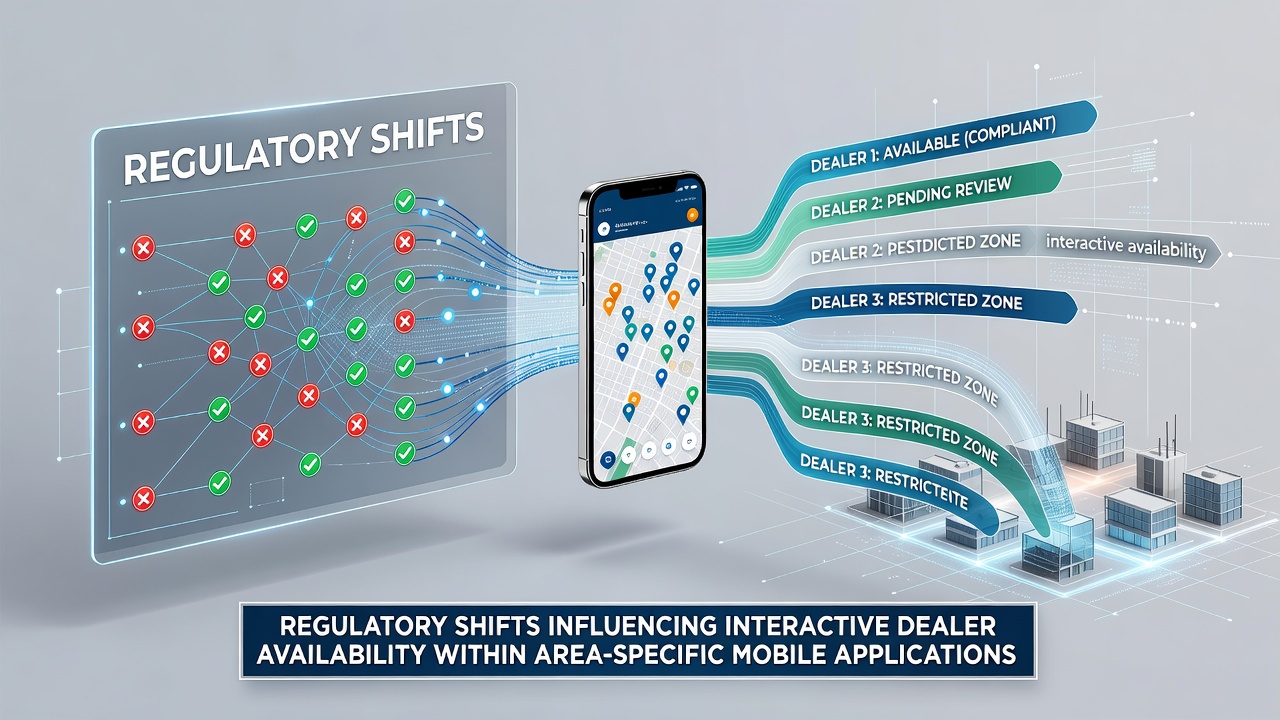
Regulatory frameworks across multiple jurisdictions continue to evolve and directly shape how interactive dealer services appear inside mobile applications that enforce area-specific access rules. These adjustments often involve updates to licensing requirements, geolocation mandates, and cross-border data protocols that operators must follow when offering real-time table games. Observers note that changes frequently target the availability of live dealer streams rather than altering the underlying software platforms themselves.
Geolocation Mandates and Dealer Licensing Updates
State and provincial regulators have tightened rules around precise location verification inside gaming apps, which in turn influences whether interactive dealer tables load for users in particular zones. Data from industry reports shows that operators now integrate multi-factor geofencing systems to comply with these standards, and any mismatch between a user's registered address and their current position can block live sessions entirely. Researchers at academic institutions studying digital gaming markets have documented how these technical layers create distinct availability maps that shift whenever new statutes take effect.
One notable development involves expanded licensing criteria for dealers who appear in streamed sessions. Jurisdictions now require operators to maintain separate approvals for personnel handling interactive tables, and these approvals often tie directly to the physical location of both the dealer studio and the end user. Figures from regulatory filings indicate that compliance costs for such dual-location licensing rose noticeably between 2024 and 2025, prompting some providers to consolidate studio operations in fewer approved regions.
September 2026 Implementation Timelines
Several regulatory bodies have published schedules indicating that revised standards for mobile live dealer access will activate in September 2026. These updates include stricter requirements for real-time identity cross-checks that sync with area-specific databases, which could further segment which interactive tables remain visible within any given app. Industry associations tracking legislative calendars report that at least three North American states and two European provinces have aligned their effective dates around this period, creating a coordinated wave of adjustments for multi-jurisdictional operators.
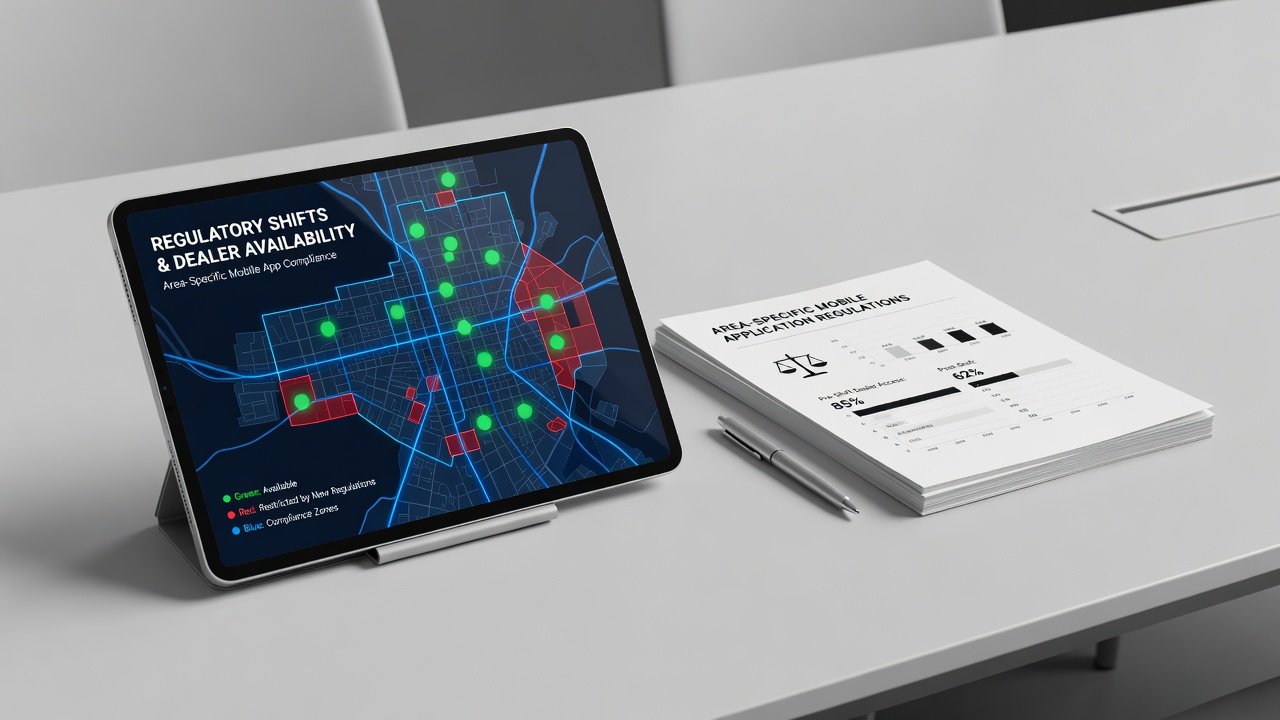
Operators preparing for the September 2026 deadlines have begun mapping their current mobile offerings against the forthcoming rules. According to materials released by the American Gaming Association, companies are testing enhanced verification modules that automatically hide or reveal live dealer content based on updated boundary definitions. This preparation work often involves collaboration with software vendors who specialize in location-aware delivery systems.
Cross-Border Data Protocols and Mobile App Adjustments
Changes in data handling regulations also affect how apps deliver interactive dealer content across regional lines. New protocols emphasize encrypted transmission of session metadata that includes both user location and dealer studio coordinates, and failure to meet these encryption standards can result in temporary suspension of live table availability. Trade group analyses reveal that operators serving users near state or national borders have encountered the most frequent disruptions during testing phases.
Those who have examined similar past transitions point to cases where apps introduced dynamic content filters that adjust dealer availability within minutes of a regulatory announcement. One study from a Canadian research center found that such rapid filtering reduced unauthorized access attempts by measurable margins while maintaining service continuity for compliant users. These findings suggest that technical infrastructure already in place can accommodate the September 2026 requirements without complete platform overhauls.
Impact on Player-Facing Interfaces
Mobile applications have started displaying clearer notices when interactive dealer options become unavailable due to location or licensing constraints. Developers integrate these messages directly into the table selection screens, and the language often references the specific regulatory clause triggering the restriction. Evidence gathered from app store update logs shows an increase in such informational features over the past eighteen months.
Patterns observed across multiple platforms indicate that users in border regions experience the highest variability in dealer availability. Regulatory filings from Australian oversight bodies document how operators there adjusted their mobile interfaces to reflect new state-level rules, resulting in segmented catalogs that differ sharply between neighboring territories. Similar segmentation appears likely in other markets as September 2026 approaches.
Conclusion
Regulatory developments continue to define the boundaries of interactive dealer availability inside area-specific mobile applications through a combination of licensing, geolocation, and data protocol requirements. The scheduled changes for September 2026 represent the next coordinated set of adjustments that operators must address. Organizations such as the National Conference of State Legislatures and various provincial gaming commissions provide ongoing documentation that tracks these shifts across regions. Those monitoring the sector note that successful adaptation depends on precise alignment between technical systems and the evolving legal landscape.