Patterns of Software Compatibility Influencing Withdrawal Speeds Across Emerging Digital Entertainment Venues
Klara Powell · Sep 10, 2026
Patterns of Software Compatibility Influencing Withdrawal Speeds Across Emerging Digital Entertainment Venues
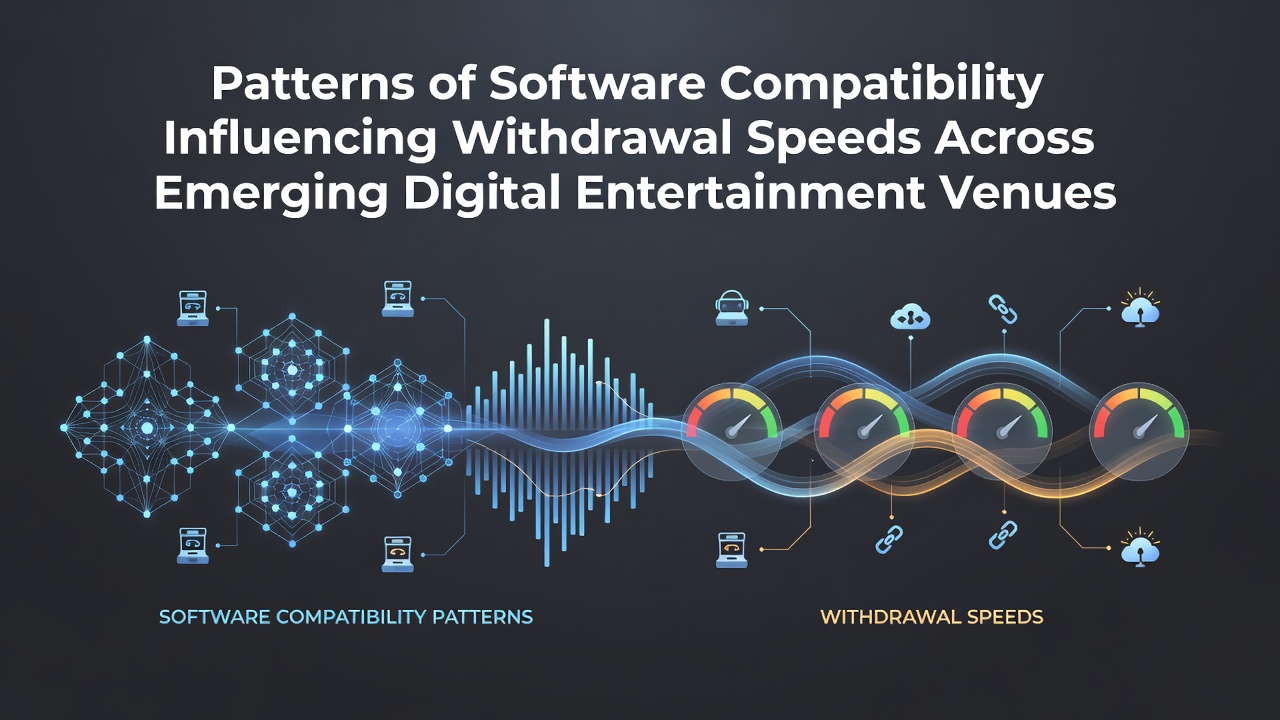
Software compatibility patterns shape withdrawal processing timelines in emerging digital entertainment venues where platform architecture determines transaction routing efficiency. Different operating systems and integration frameworks create measurable variations in how quickly funds move from user accounts to external banking channels or digital wallets. Research from multi-jurisdictional operators shows that platforms built on unified codebases process requests faster than those relying on legacy adapters for older systems.
Core Compatibility Elements in Platform Design
Developers align application programming interfaces with specific mobile operating systems and browser environments to handle verification steps before any payout initiates. Android-based applications often route through different payment gateways than iOS versions because of variations in secure enclave handling and token generation protocols. Those who monitor these systems note that cross-platform frameworks reduce delays when updates maintain consistent encryption standards across versions released after mid-2025.
Browser extensions and web-based portals introduce another layer where JavaScript libraries must match server-side authentication modules. Incompatibility between these components triggers additional security checks that extend processing windows from minutes to several hours. Data collected across European and North American networks indicates that venues using containerized microservices experience fewer interruptions during peak transaction periods compared with monolithic architectures still in use at some newer market entrants.
Payment Gateway Integration and Processing Timelines
Withdrawal speeds depend on how seamlessly gaming software communicates with third-party financial processors that manage compliance verification. When software versions lag behind updated API specifications from payment providers, queued transactions require manual intervention or retry loops that slow final settlement. Observers tracking operations in multiple regions report that venues updating their client applications within 30 days of gateway changes maintain average completion times under 90 minutes for verified accounts.
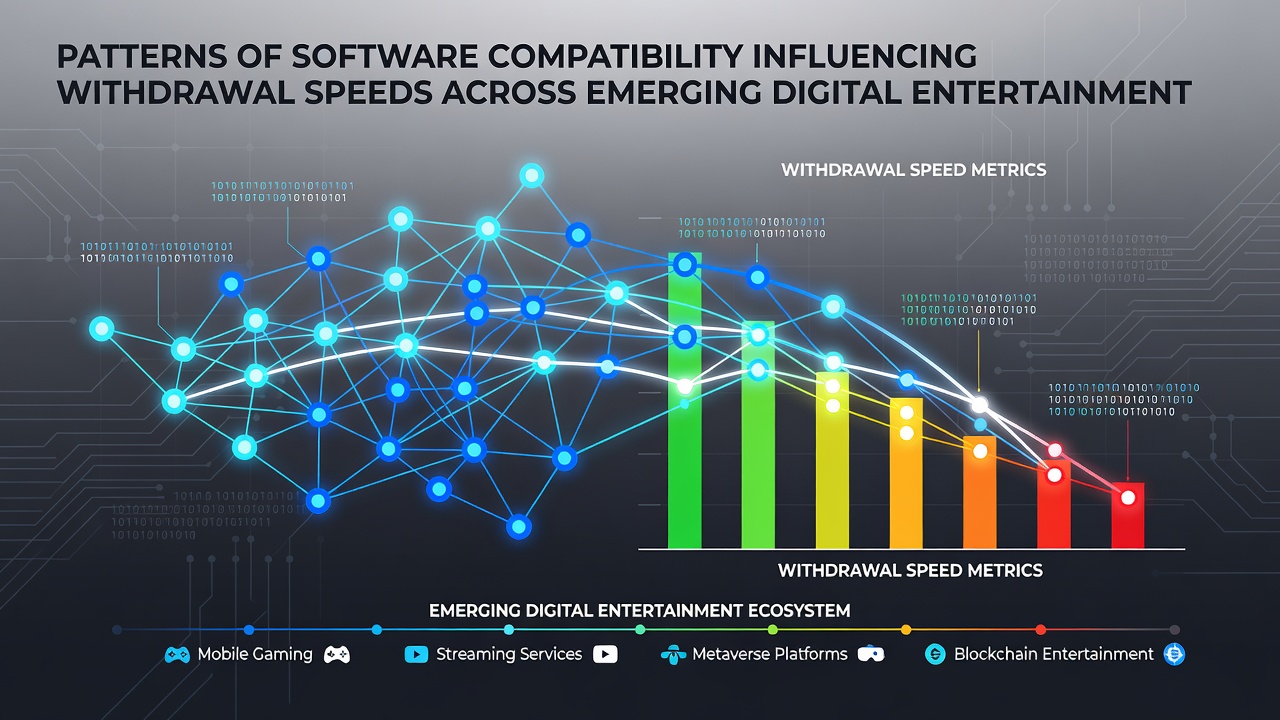
Regional regulatory frameworks add further constraints because each jurisdiction mandates distinct data formats for transaction reporting. Platforms operating across Canadian and Australian markets must maintain parallel compliance modules that activate based on user location detection. According to analysis published by the Canadian Gaming Association, synchronized software releases across these modules correlate with a 35 percent reduction in average withdrawal latency during the first half of 2026. Venues that delay such updates encounter bottlenecks when automated reporting fails to align with processor requirements.
Observed Patterns in Multi-Device Environments
Users switching between desktop clients and mobile applications encounter compatibility friction when session tokens do not transfer cleanly between device classes. This friction forces re-authentication sequences that reset withdrawal timers and extend overall completion windows. Researchers examining transaction logs from venues launched in 2025 found that native applications with built-in device fingerprinting achieve higher consistency in processing speeds than hybrid solutions relying on web views.
September 2026 data from multi-jurisdictional operators reveals that venues employing real-time compatibility testing suites detect version mismatches before they reach production environments. These proactive measures prevent the cascade of retry attempts that previously inflated average payout durations. Industry reports from the Australian Gaming Association highlight similar findings where venues maintaining synchronized update cycles across all supported platforms recorded the most stable withdrawal performance metrics.
Conclusion
Compatibility patterns between core software components, payment gateways, and regulatory reporting systems directly determine withdrawal efficiency across emerging digital entertainment venues. Operators that prioritize synchronized updates and unified codebases demonstrate measurable advantages in transaction speed. Continued monitoring of these technical alignments provides the clearest indicators of operational performance as platforms expand into additional markets.